Modern Luxury Home Decor: Principles of Refined Interior Styling
Modern luxury home decor is no longer defined by gilded moldings, heavy brocades, or ostentatious brand logos displayed on coffee table accessories. Today, sophisticated interiors prioritize architectural harmony, exquisite materiality, and an intuitive sense of comfort that feels effortless yet deeply intentional.
Achieving this level of refinement requires shifting away from trend-chasing and moving toward longevity. High-end residential spaces celebrate craftsmanship, rich textures, and bespoke proportions that honor the architectural shell of the home rather than concealing it behind unnecessary clutter.
Related posts
Best Vinyl Flooring for Hospital Environments: Performance, Hygiene, and Cost Analysis
Hospital flooring endures challenges that would destroy standard commercial surfaces within weeks. Heavy hospital beds, portable X-ray machines,...
Read more →Rubber Mat Flooring Price: Complete Cost Breakdown and Buyer Handbook
Investing in protective flooring often comes down to balancing durability against upfront cost. Whether you are outfitting a...
Read more →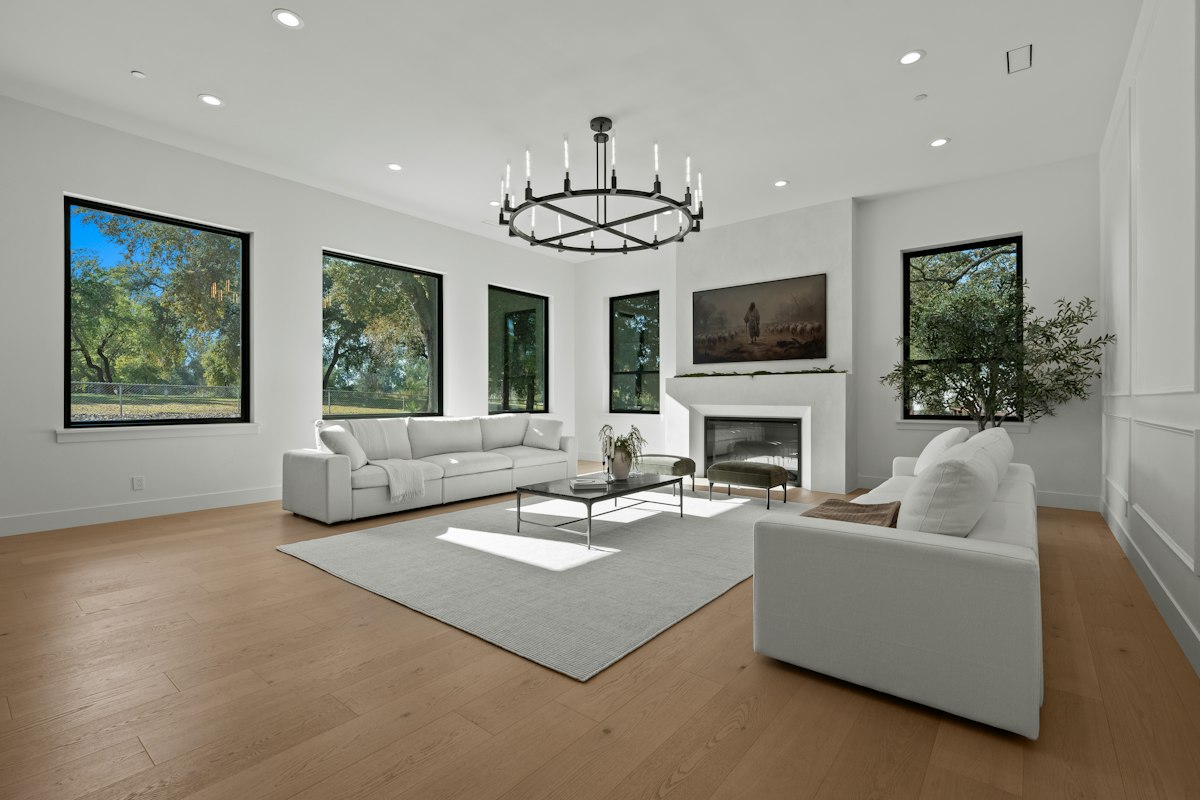
Engineered Wood Flooring Cost: Real-World Pricing, Labor, and Hidden Expenses
Planning a flooring renovation brings you face to face with dozens of choices, but few balance beauty and...
Read more →
Best Raised Floor Systems: Engineering, Load Ratings, and Selection Criteria
Selecting the right access floor system determines how effectively your facility manages power distribution, structured cabling, and thermal...
Read more →Many homeowners struggle to find the balance between sterile minimalism and visual excess. The result is often an interior that looks polished in photographs but feels cold and detached in daily life, or conversely, a collection of expensive items that compete for attention without forming a cohesive narrative.
This analysis examines the foundational elements that define contemporary elevated living. From authentic material selection and structural illumination to spatial balance and targeted investments, explore how to transform any residence into an understated sanctuary of style.
Key takeaways
- Material authenticity matters: Natural stones, open-grain hardwoods, and living metal finishes provide the organic depth that synthetic duplicates cannot replicate.
- Lighting defines ambiance: A multi-layered lighting plan running at 2700 Kelvin turns architectural volume into an inviting, moody sanctuary.
- Negative space is a design element: Leaving intentional voids allows statement furniture and gallery-level art to command the attention they deserve.
- Invest in contact points: Prioritize structural seating, architectural door hardware, and central surface tables where sensory engagement is highest.
The Evolution of Modern Luxury: Understated Sophistication
The contemporary definition of luxury rests on subtlety, often described in high-end design circles as quiet luxury. This aesthetic rejects superficial ornamentation in favor of precise proportions, custom joinery, and tactile warmth. When a room feels serene, it is rarely an accident; it is the product of disciplined spatial planning where every object has purpose.
Modern elevated homes embrace a warm, tonal palette instead of stark monochrome contrasts. Designers lean into nuanced neutrals—chalky plasters, oatmeal linens, deep charcoal, and earthy taupes. These shades form a quiet backdrop that highlights the structural geometry of the space.
How do you recognize true refinement in a finished room? It reveals itself through silence rather than noise. When finishes are thoughtfully coordinated, the eye travels effortlessly across the room without snagging on discordant details or cheap textures.
Tactile Materiality: Selecting Finishes with Longevity
The materials chosen for countertops, tables, and architectural paneling dictate the sensory experience of a home. Synthetic lookalikes, such as faux marble with repetitive veining or printed wood vinyl, quickly betray a lack of authenticity under natural daylight.
Natural Stone with Expressive Character
While polished Carrara marble once dominated the market, contemporary design favors honed, leathered, and brushed finishes that showcase stone in its rawest state. Designers now specify high-contrast marbles and limestones such as Calacatta Viola, Arabescato, and unfilled Roman Travertine.
Matte finishes soften the reflection of light, drawing attention to the geological history within the stone. A monolithic travertine coffee table or a waterfall island with rough-hewn edges serves as an earthy anchor in an otherwise streamlined living environment.
Bespoke Woodwork and Rich Millwork
Wood brings indispensable warmth to clean-lined architecture. Instead of high-gloss lacquers or flat veneers, contemporary spaces feature quarter-sawn white oak, walnut, and charred timber (shou sugi ban). Fluted, slatted, or reeded wood profiles introduce subtle shadows across vertical surfaces without relying on artwork or wallpaper.
Patinated Architectural Metals
Polished chrome has taken a backseat to metals that age gracefully. Unlacquered brass, blackened steel, oil-rubbed bronze, and brushed nickel carry substantial visual weight. Unlacquered brass in particular develops an individual patina over time, responding to touch and oxidation, which imparts soul to newly constructed or renovated homes.
The Architecture of Illumination
Illumination can make or break an interior scheme. Standard overhead can lights placed in a grid pattern wash out surfaces and create unflattering shadows. Modern luxury decor relies on a deliberate balance of three distinct lighting types: ambient, task, and accent.
To create depth, lighting must sit at varied heights throughout the room. Combine flush architectural downlights with sculptural pendants, low-slung table lamps, integrated millwork LED channels, and floor-level uplights. This vertical variation directs the eye across different focal points as the daylight changes.
Color temperature is equally important. A consistent warm-white temperature between 2400K and 2700K produces an inviting glow reminiscent of candlelight. Higher temperatures (above 3000K) often read clinical and severe, stripping high-end textiles and natural stone of their natural warmth. Installing dimmers on every circuit is standard practice, giving homeowners total control over mood from morning to evening.
Spatial Composition and the Power of Negative Space
One of the clearest distinctions between amateur styling and professional interior architecture is the treatment of empty space. Beginners often rush to fill every corner, alcove, and wall surface. In contrast, modern luxury relies on negative space as an active design component.
Allowing walls to remain bare directs full focus to a single, oversized canvas or a solitary bronze sculpture. Similarly, floating furniture away from perimeter walls creates circulation corridors that make a home feel expansive, regardless of its actual square footage.
Scale is another critical factor. Selecting three large, impeccably crafted pieces will always look more refined than arranging ten small decorative accessories across a credenza. Oversized elements—such as a grand eight-foot pendant light over a minimalist dining table—command respect and establish an unmistakable focal point.
Room-by-Room Curation Strategies
Translating elevated decor concepts into day-to-day living requires a customized strategy for each zone of the residence.
The Living Room: Sculptural Form and Livable Comfort
The living room serves as both a public entertaining venue and a private retreat. Center the space around a low-profile, deep-seated sectional upholstered in high-durability bouclé, Belgian linen, or aniline leather. Balance the soft curves of an organic sofa with angular elements, like a chiseled stone side table or a geometric raw-steel console.
Area rugs should be generously sized; all furniture legs ought to rest comfortably on the rug to ground the conversational grouping. Hand-knotted wool and silk blends, flatweave abaca, or high-density wool rugs offer underfoot indulgence without the maintenance headaches of synthetic fibers.
The Dining Room: A Monolithic Showcase
Dining rooms should avoid unnecessary peripheral furniture. A substantial dining table crafted from solid timber or cast concrete acts as the centerpiece. Surround it with sculptural dining chairs that balance ergonomic back support with compelling silhouettes.
Above the table, install a statement light fixture that doubles as an art piece when turned off. Keep sideboard styling minimalist: a single ceramic vessel with seasonal branches is frequently all that is required to complete the visual composition.
The Primary Suite: Restorative Sanctuary
In the bedroom, tactile richness should take precedence over visual contrast. Custom upholstered headboards running wall-to-wall expand the perceived width of the room. Layer washed linen bedding with cashmere throws and velvet lumbar accents to establish a cocooning atmosphere.
Conceal bedside technology wherever possible. Built-in nightstand drawers equipped with hidden outlets maintain uncluttered surface areas, leaving room only for a book, a water carafe, and a soft-glow reading lamp.
Smart Budget Allocation: High-Impact Investments
Curating a high-end home does not mean spending without discernment. Strategic investment focuses capital on permanent fixtures and tactile centerpieces while sourcing secondary items more economically.
Allocate the largest portion of your budget to items you touch every single day: primary seating, mattresses, primary door and cabinet hardware, and architectural plumbing fixtures. Solid brass hardware possesses a distinctive weight and cold touch that immediately signals high quality to anyone entering a room.
Conversely, secondary side tables, framed gallery prints, and decorative vessels can be procured through vintage markets, boutique artisans, or curated mid-tier trade outlets without sacrificing the elevated look of the overall space.
Frequently Asked Questions
What defines modern luxury home decor compared to traditional luxury?
Modern luxury relies on restraint, clean lines, and architectural authenticity rather than excessive ornamentation, heavy drapes, or gilded trim. It prioritizes the quality of raw materials—such as honed marble, exposed timber, and patinated metals—paired with integrated architectural lighting and functional, comfortable layouts.
How can I make a modern home feel warm rather than cold and clinical?
Warmth is introduced through layers of natural textures and warm-toned lighting. Incorporate varied textiles such as linen, wool, shearling, and leather, alongside natural wood elements. Ensure all ambient light bulbs are rated at 2700K or lower, and avoid stark cool-white paint on walls in favor of warm whites, limewash, or microcement plaster.
What are the best stones to use for contemporary high-end interiors?
Designers currently favor stones with organic movement and distinctive veining. Honed Roman travertine, Calacatta Viola marble, Verde Alpi, and quartzite varieties like Taj Mahal are highly sought-after. Matte, honed, or leathered finishes are consistently preferred over high-gloss polished surfaces.
How do I select art for an elevated modern space?
Choose scale over quantity. A single large-scale abstract painting, an oversized black-and-white architectural photograph, or a wall-mounted fiber sculpture creates far more visual impact than a clustered gallery wall. Focus on original pieces from independent artists or authenticated vintage prints with custom museum-grade framing.
Is minimalist decor considered part of the modern luxury aesthetic?
Yes, but specifically through the lens of warm minimalism. While traditional minimalism often strips spaces down to clinical austerity, modern luxury minimalism focuses on intentional reduction: editing out extraneous clutter so that bespoke furniture, premium architectural finishes, and natural light take center stage.
Conclusion
Creating an interior defined by modern luxury is an exercise in intentional curation, patience, and sensory awareness. By prioritizing authentic materials that age with dignity, mastering the balance of layered illumination, and honoring negative space, you build an environment that transcends fleeting trends.
True luxury is never loud; it is felt in the weight of a solid brass handle, the quiet texture of a limewashed wall, and the effortless transition from one well-proportioned room to the next. Begin by editing your existing space, invest thoughtfully in focal pieces with uncompromising craftsmanship, and let your home evolve into a timeless retreat tailored to how you live.