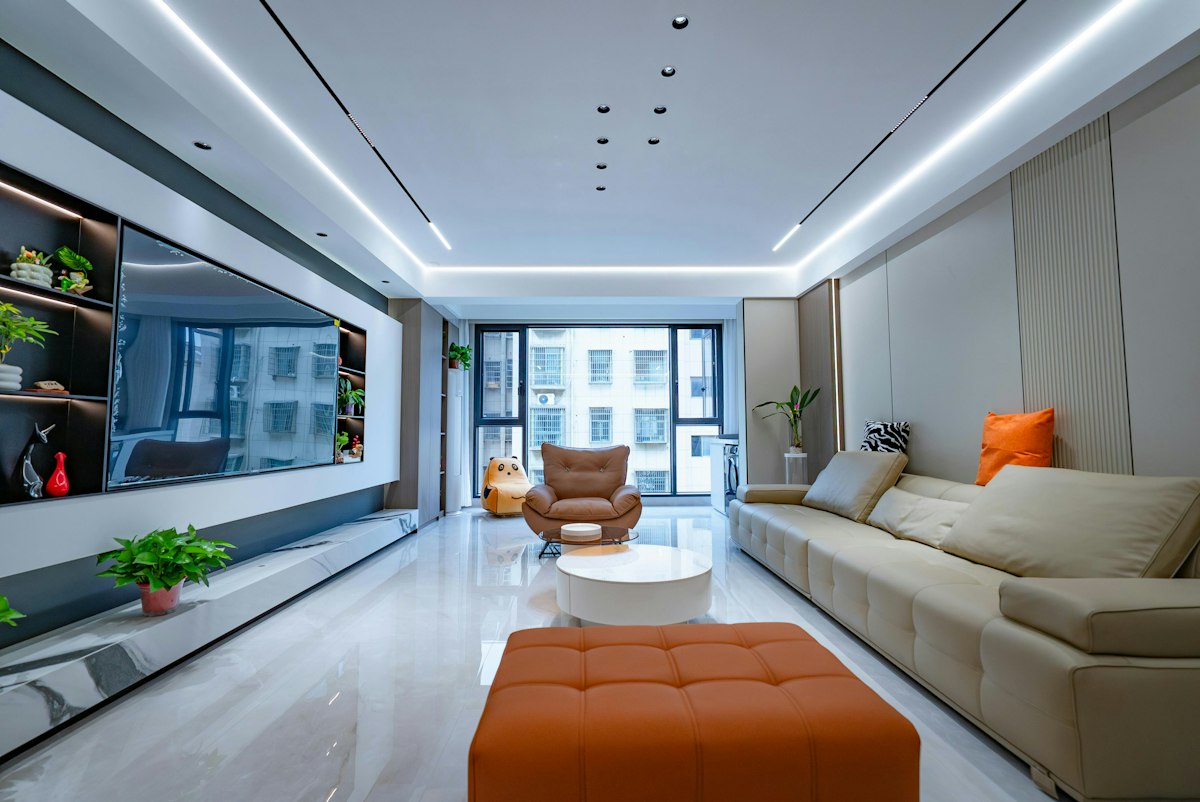
Modern PVC Panel Ceiling Design for Hall: Aesthetic Ideas, Costs, and Installation
Stepping into your main hall should feel welcoming, organized, and visually engaging. As the central gathering point of the home, the living hall establishes the architectural tone for every adjacent room. While walls and furniture often receive the bulk of interior planning, the ceiling remains an expansive visual plane that can dramatically change the spatial feel of the entire house.
Traditional plaster of Paris (POP) and standard gypsum boards have long dominated false ceiling installations, but they carry distinct vulnerabilities. Plaster can crack over time due to building settlement, and gypsum boards suffer irreversible damage when exposed to accidental roof seepage or persistent humidity. This has prompted many homeowners to seek resilient, low-maintenance substitutes that maintain elevated aesthetic standards.
Related posts
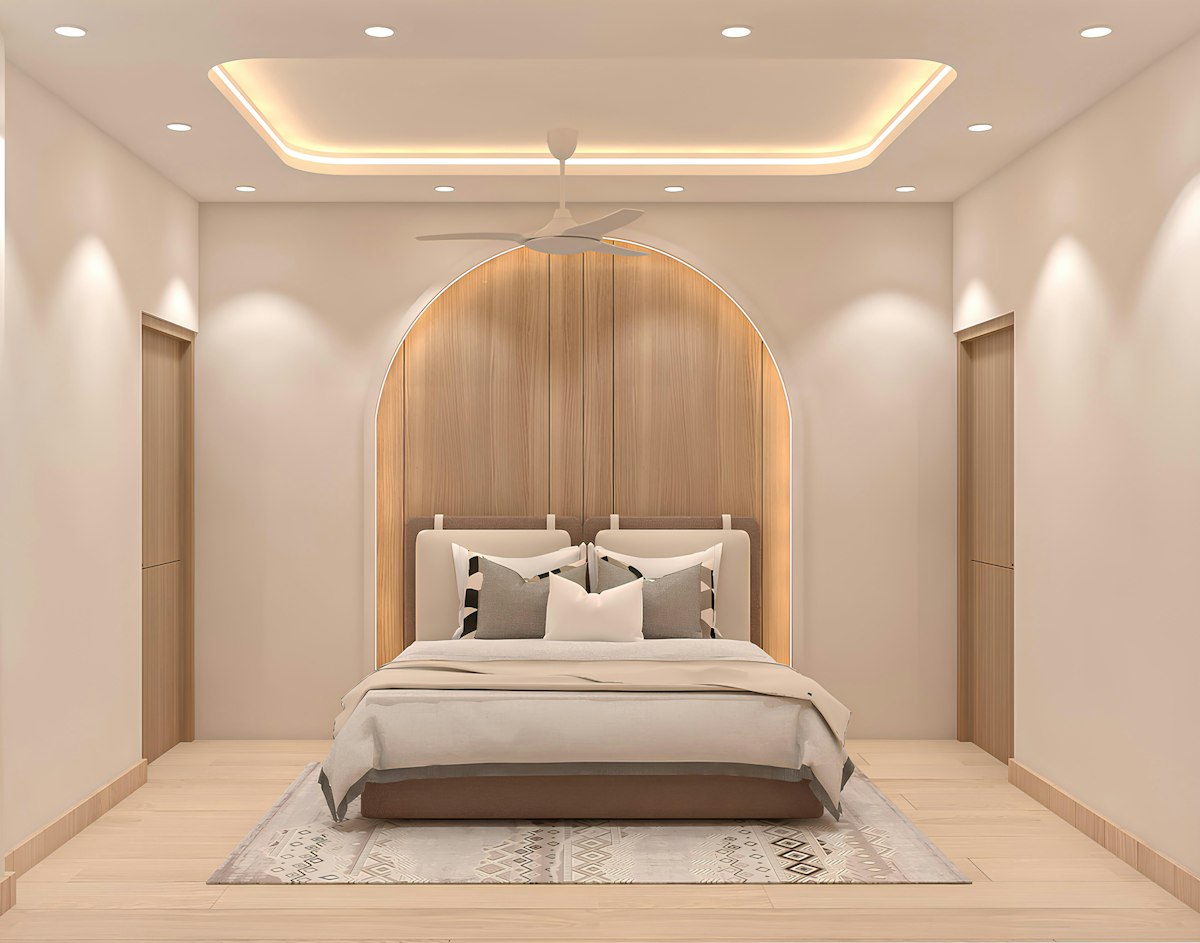
Modern PVC Ceiling Design Ideas for Your Bedroom: Style and Durability
Are you tired of looking up at a plain, cracked, or peeling plaster ceiling every night? For many...
Read more →Optimizing Large Scale Airflow with High Performance Commercial Ceiling Fans
Managing the internal climate of a large facility often feels like a losing battle against physics. Whether you...
Read more →
Modern Interior Design: Why Stretch Ceilings Are Replacing Traditional Drywall
When you look up at your ceiling, what do you see? For most homeowners and office managers, the...
Read more →
Hiring Professional Ceiling Contractors: A Comprehensive Resource for Your Next Project
Most property owners ignore the space above their heads until something goes wrong. Whether it is a water...
Read more →Polyvinyl chloride (PVC) ceiling panels have emerged as an adaptable, durable solution for living hall ceilings. Engineered to withstand moisture, ward off termites, and eliminate the need for periodic repainting, PVC panels offer diverse finishes ranging from high-gloss modern surfaces to hyper-realistic wood grain textures. They introduce architectural depth without adding excessive structural load.
This detailed overview explores trending PVC ceiling layouts for living spaces, technical installation parameters, lighting strategies, pricing factors, and practical maintenance tips to help you execute a seamless ceiling renovation.
Key takeaways
- High Durability and Zero Paint Upkeep: PVC panels resist water damage, termite infestation, and seasonal fading, making them far easier to preserve than gypsum or POP.
- Diverse Design Vocabulary: Available in rich faux timber, metallic trims, monolithic matte tones, and 3D geometric textures that fit contemporary, minimalist, or transitional decor.
- Built-in Lighting Integration: The hollow core and interlocking design make concealing electrical wiring, ambient LED strips, and recessed spotlights straightforward and clean.
- Cost-Effective Renovation: Lower material and labor costs paired with rapid installation timelines make PVC an economically sound choice for both small and expansive halls.
Why Choose PVC Panels for Your Living Hall Ceiling?
The main living hall handles the highest foot traffic in any residence, serving as an entertainment zone, family lounge, and formal reception area. Selecting the right ceiling material requires balancing longevity with aesthetic presentation.
One major advantage of PVC panels is their resistance to moisture. In areas with fluctuating humidity or homes situated under concrete roof slabs susceptible to seasonal moisture patches, gypsum and wood can swell, warp, or form mold. PVC is completely non-porous. It does not absorb moisture, preventing unsightly water stains and peeling paint coats.
Another clear benefit is the speed of installation. Traditional false ceilings require framing, boarding, taping, multiple coats of joint compound, sanding (which releases fine dust throughout the home), primer, and two or more coats of paint. PVC false ceilings rely on an interlocking tongue-and-groove system fitted over light metal framework. A standard hall ceiling can often be completed in one or two days without hazardous dust or strong chemical odors.
Weight efficiency is equally notable. PVC hollow-core panels weigh a fraction of solid timber or gypsum boards, reducing the dead load placed on your structural ceiling slabs while keeping installation straightforward and safe.
Trending PVC Panel Ceiling Concepts for Modern Halls
Modern manufacturing allows PVC panels to emulate luxury architectural materials at a fraction of their cost. Selecting the right profile depends on your ceiling height, room dimensions, and interior theme.
1. Wood-Grain Slat Ceilings for Organic Warmth
Real hardwood ceilings bring unmatched warmth to an interior, but they demand significant maintenance, harbor risks of termite infestation, and represent high lumber expenses. Fluted or flat PVC wood-grain panels solve these issues cleanly.
Using walnut, teak, or light oak PVC finishes across the central span of the hall imparts an upscale Scandinavian or mid-century modern aesthetic. Running linear planks longitudinally visually elongates narrower halls, while crosswise layouts make long, narrow halls feel wider and more balanced.
2. Layered False Ceilings with Perimeter Cove Lighting
A layered or multi-level ceiling construction breaks up flat overhead expanses. In this design, a recessed outer rim or dropped central island creates a concealed channel designed specifically for warm LED strip lights.
Pairing matte white perimeter panels with a slightly lowered wood-finish PVC center draws eyes upward, creating an illusion of elevated vertical volume. The soft, reflected cove lighting bounces down into the living area, providing flattering ambient illumination suitable for movie nights and evening hosting.
3. Monochromatic Minimalist Grid Layouts
For minimalist, industrial, or contemporary homes, clean geometric lines keep the room looking uncluttered. Thin charcoal, dark gray, or pure white PVC panels arranged in uniform squares or intersecting rectangles define distinct zones within an open-concept hall.
These patterns work exceptionally well to delineate the sitting room from an adjacent dining space without erecting physical partition walls that restrict daylight or airflow.
4. Coffered PVC Ceiling Framework
Coffered ceilings have historically signified architectural prestige. Using PVC beams to create a recessed grid of square or rectangular ceiling coffers introduces timeless classical symmetry to a spacious hall.
To modernize this look, place warm recessed spot fixtures inside each coffer pocket, or alternate the color tones between the supporting beam grid and the inner recessed panel surfaces.
5. High-Gloss Reflective Finishes for Low Ceilings
Halls with ceiling heights under nine feet can easily feel cramped when dropped ceilings are added. High-gloss white or cream PVC panels act similarly to mirrors by reflecting natural light from windows and floor fixtures.
This bounce effect disperses light across dark room corners, enhancing vertical openness while adding a polished, contemporary look to the room.
Effective Lighting Strategies for PVC Ceilings
A ceiling design achieves its full potential only when combined with an intentional lighting plan. Because PVC panels are hollow-core thermoplastic extrusions, they require deliberate consideration of lighting types, wattage, and heat output.
- LED Downlights (Recessed Spotlights): These serve as your primary functional lighting. Low-profile LED downlights emit minimal heat, preventing localized thermal expansion of the panels. Cut panel openings neatly with a hole saw attachment to secure a flush trim fit.
- Concealed Cove Strips: Install continuous low-voltage LED strip lights (2700K to 3000K for warm ambiance, or 4000K for neutral daylight) along the dropped edges of the PVC frame. Ensure the light points toward the ceiling or outward against a wall rather than directly onto glossy panel joints.
- Pendant Lights and Chandeliers: PVC panels cannot support heavy loads. If your hall design incorporates a central chandelier or series of pendants above a coffee table, secure the mounting brackets directly into the concrete slab overhead using anchor fasteners, rather than letting the panels carry the weight.
- Magnetic Track Lighting: Surface-mounted or flush-recessed slim tracks installed between PVC plank channels allow you to adjust and aim spotlights at artwork, accent walls, or reading chairs.
Comparative Overview: PVC vs. Gypsum vs. Wooden Ceilings
Choosing the ideal false ceiling material requires weighing upfront expenses against long-term maintenance needs. The table below illustrates how PVC measures up against standard alternatives.
| Feature / Attribute | PVC Panels | Gypsum Boards | Natural Wood Planks |
|---|---|---|---|
| Moisture Resistance | Impervious; 100% waterproof | Low; sags and softens under leaks | Moderate; can swell or rot |
| Termite Susceptibility | Completely immune | Immune (paper backing vulnerable) | High without regular chemical treatment |
| Installation Complexity | Fast; modular dry installation | Moderate; requires taping, mudding, painting | High; involves skilled carpentry, staining, sealing |
| Maintenance Needs | Zero repainting; wipe with damp cloth | Requires periodic repainting every 3-5 years | Requires regular polishing, varnishing, and inspection |
| Fire Performance | Self-extinguishing, softens under high heat | Non-combustible fire barrier | Combustible unless fire-retardant treated |
| Relative Cost Tier | Budget to Mid-range | Mid-range | Premium to Luxury |
Budget Planning and Cost Factors
Calculating the investment for a living hall PVC ceiling involves several direct and indirect variables. Understanding these components prevents unexpected mid-project expenses.
Panel Thickness and Density: Residential ceiling panels typically range from 6mm to 10mm in thickness. Thicker panels feature denser internal honeycombing, providing greater rigidity and resisting sagging over broad spans. While thicker panels cost slightly more per square foot, their structural stability makes them worth the modest difference.
Framing Framework: PVC ceilings require a rigid framework suspended from the main roof slab. Contractors generally use galvanized iron (GI) channels or lightweight aluminum cross-tees. Investing in premium 0.45mm to 0.50mm gauge metal profiles prevents framework distortion over time.
Design Intricacy: A simple flat false ceiling costs less in labor than multi-tier geometric drops, custom curves, or coffered grid setups. Every additional drop, cove corner, and perimeter transition increases the linear footage of edge moldings, clips, and installation time.
Electrical and Finishing Accessories: Factor in expenditures for wiring, drivers, LED strips, spotlights, perimeter L-trims, and junction boxes. Using quality electrical cables and matching edge profiles ensures an integrated, professional finish.
Technical Installation Tips for Hall PVC Ceilings
While installing PVC panels is cleaner than wet ceiling work, maintaining strict technical guidelines ensures your ceiling remains level and visually appealing for years.
- Leveling the Perimeter: Laser levels must be used to mark the installation height around the entire room perimeter. Out-of-level frames become glaringly obvious where the tongue-and-groove seams align.
- Framing Spacing: To eliminate mid-panel sagging over time, install secondary metal channels no farther than 18 to 24 inches apart. In hotter climates, keeping joist spacing closer to 16 inches prevents thermal deflection.
- Expansion Gaps: PVC naturally expands and contracts slightly with temperature shifts. Installers must leave an intentional expansion margin (roughly 3mm to 5mm) along room boundaries, covered by matching perimeter trims or shadow channels.
- Securing Fasteners: Always fasten panels using coated, corrosion-resistant self-tapping screws driven through the integrated tongue edge. Never drive screws straight through the decorative face of the panel.
Long-Term Care and Cleaning
One of the strongest arguments for PVC ceilings in the hall is their nearly effortless upkeep. Because the non-porous surface rejects dust and grime, an occasional dusting with an electrostatic microfiber mop is typically sufficient.
If household grease, dust, or smoke stains develop, wash the panels using a mild dishwashing detergent mixed with lukewarm water. Avoid abrasive cleaning powders, rough scrub pads, or harsh chemical solvents like acetone and thinner, as these strip the decorative film and create micro-scratches on the surface.
Frequently Asked Questions
How long does a PVC ceiling last in a living hall?
When fitted over a properly braced, rust-resistant metal frame, high-grade PVC ceiling panels routinely last between 15 and 20 years. Because they are unaffected by interior dampness, rot, or termites, their lifespan often exceeds that of unmaintained plaster or timber ceilings.
Can a PVC ceiling support heavy chandeliers or ceiling fans?
No, PVC ceiling panels should never bear direct structural loads. Ceiling fans, heavy light fixtures, and chandeliers must be anchored directly into the structural concrete slab overhead using dedicated steel suspension rods or expansion bolts. The panel is simply cut to allow the structural pipe or rod to pass cleanly through.
Are PVC ceiling panels safe to use indoors?
Yes. Residential-grade PVC panels produced for interior architectural use are stable at typical indoor room temperatures and do not emit hazardous fumes in daily service. Most contemporary interior PVC panels are manufactured with fire-retardant additives, allowing them to self-extinguish when the direct flame source is removed.
Will PVC panels yellow or warp in warm rooms?
Quality PVC panels resist yellowing under standard living conditions. Warping only occurs if panels are installed without appropriate expansion allowances, if framing intervals exceed recommended spans, or if high-heat halogen bulbs are placed directly in contact with the panel surface. Using modern LED lighting eliminates heat-related distortion risks.
Can I combine PVC panels with other false ceiling materials?
Yes, combining materials often yields striking architectural results. A popular design approach uses smooth gypsum plasterboard for the primary outer ceiling dropped perimeter, paired with warm faux-wood PVC fluted slats across the sunken center to create contrasting textures and focal depth.
Conclusion
Upgrading your living hall ceiling with PVC panels blends modern aesthetics, practical moisture resistance, and minimal lifetime upkeep. By choosing the right panel thickness, selecting an organic wood or sleek monochromatic pattern, and mapping out a layered lighting layout, you can elevate your main living area without exceeding your renovation budget. Evaluate your room's ceiling height, choose reputable installation professionals, and invest in quality framing to ensure an enduring overhead finish for your home.