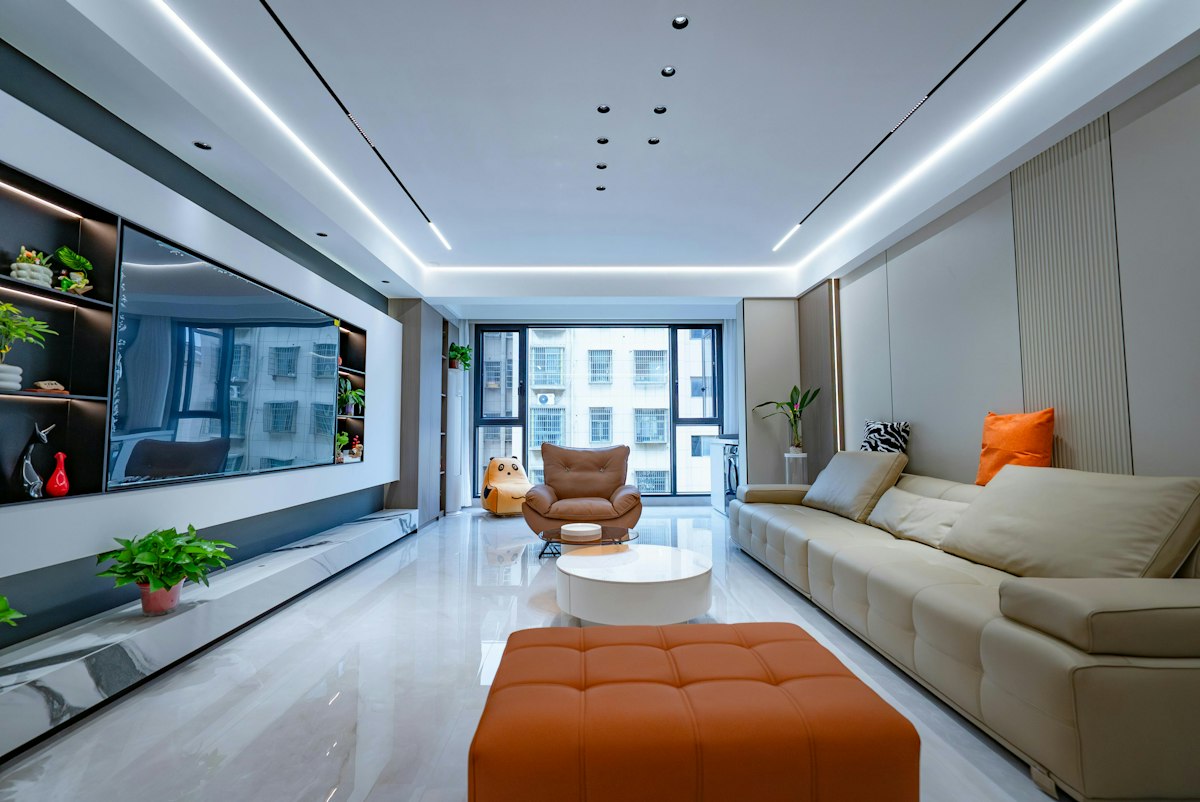
Modern Interior Design: Why Stretch Ceilings Are Replacing Traditional Drywall
When you look up at your ceiling, what do you see? For most homeowners and office managers, the view is often a landscape of aging plaster, visible seams, or perhaps a dated popcorn texture that has seen better days. Traditional ceiling finishes are prone to cracking as buildings settle, and they require a significant amount of maintenance over the years. This is exactly why a growing number of designers and property owners are turning away from messy drywall and choosing a more sophisticated alternative.
Stretch ceiling technology represents a paradigm shift in how we approach interior overhead spaces. Instead of building a heavy, rigid structure that requires sanding and painting, this method utilizes a lightweight, high-strength membrane that is stretched across a perimeter track. The result is a perfectly flat, flawless surface that can be installed in a fraction of the time it takes to finish a standard ceiling. It addresses the fundamental flaws of traditional construction while offering aesthetic possibilities that paint and plaster simply cannot match.
Related posts
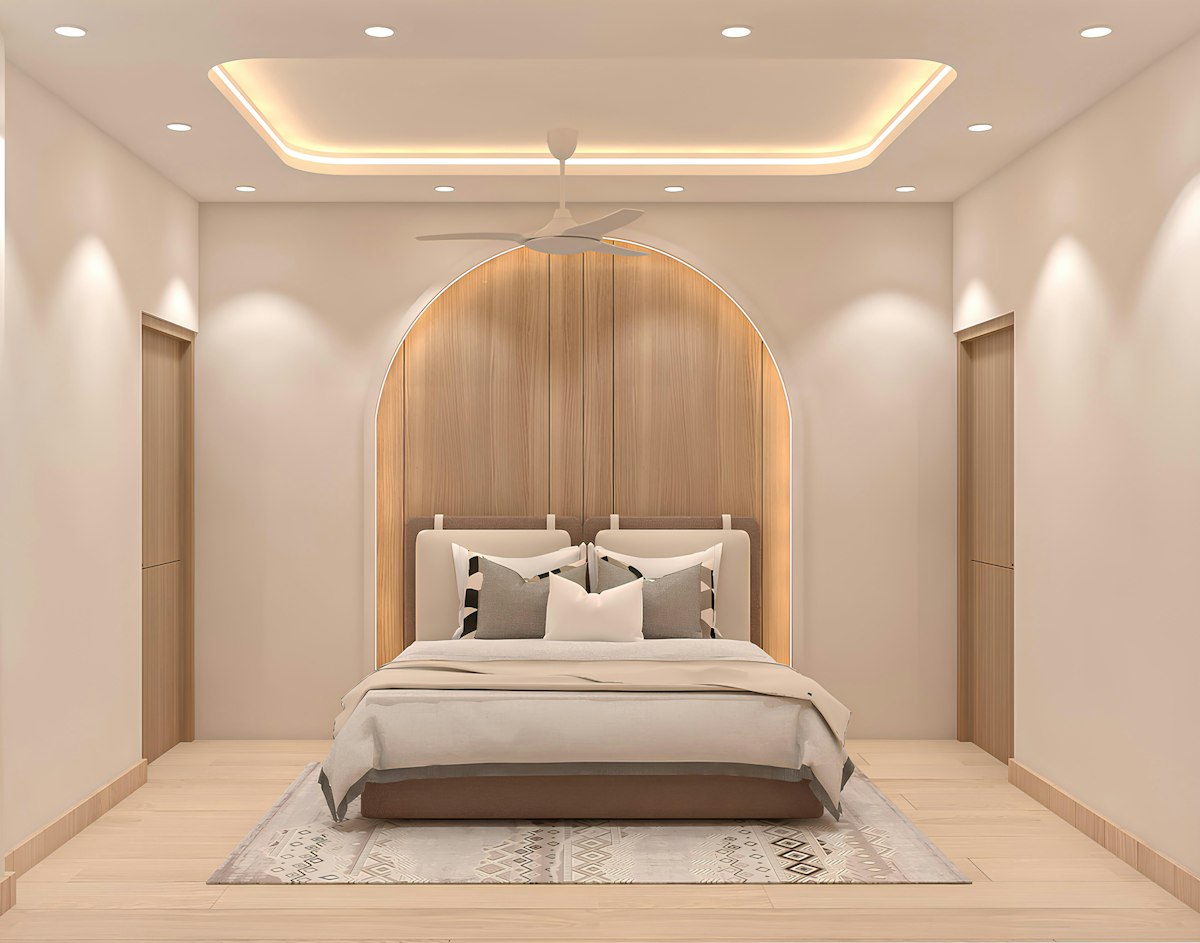
Modern PVC Ceiling Design Ideas for Your Bedroom: Style and Durability
Are you tired of looking up at a plain, cracked, or peeling plaster ceiling every night? For many...
Read more →Optimizing Large Scale Airflow with High Performance Commercial Ceiling Fans
Managing the internal climate of a large facility often feels like a losing battle against physics. Whether you...
Read more →
Hiring Professional Ceiling Contractors: A Comprehensive Resource for Your Next Project
Most property owners ignore the space above their heads until something goes wrong. Whether it is a water...
Read more →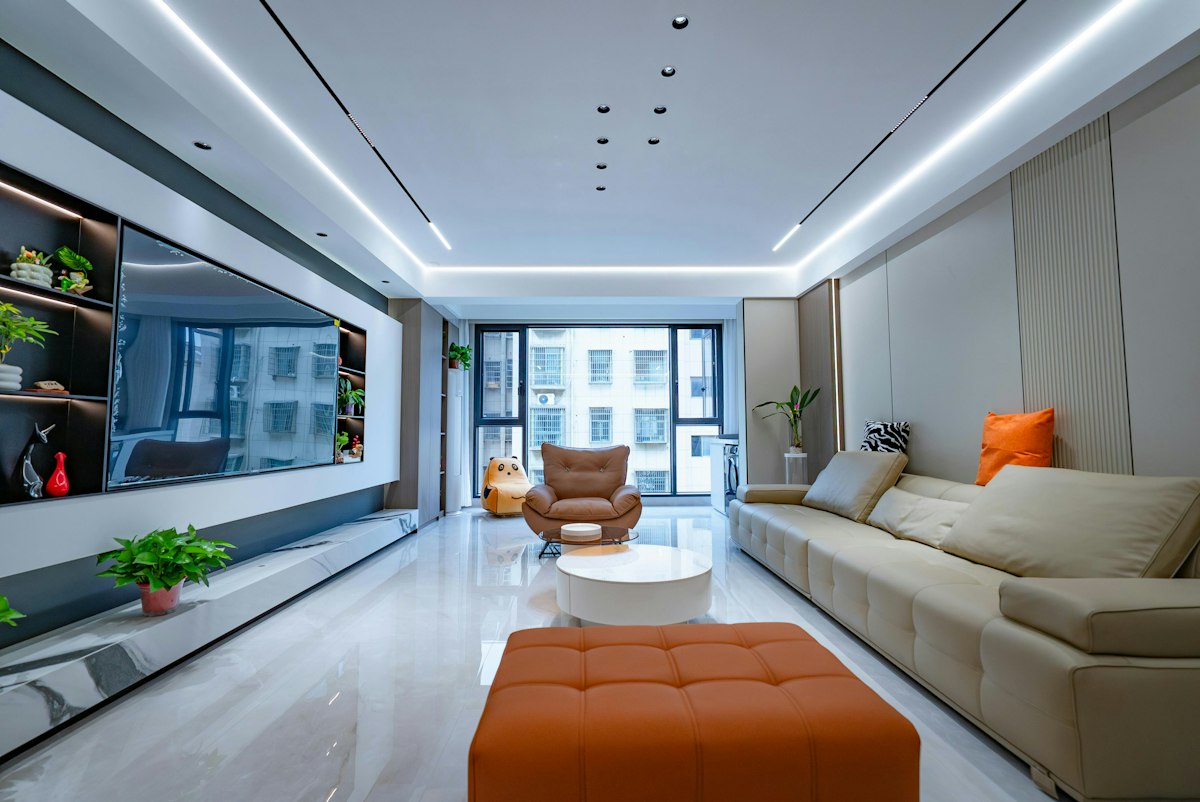
Modern PVC Panel Ceiling Design for Hall: Aesthetic Ideas, Costs, and Installation
Stepping into your main hall should feel welcoming, organized, and visually engaging. As the central gathering point of...
Read more →This article explores the practicalities of choosing a stretch ceiling for your next project. We will look at the different materials available, the installation process that avoids the nightmare of construction dust, and how these systems solve long-term maintenance issues like water damage and cracking. Whether you are renovating a single room or designing a large commercial space, understanding the mechanics and benefits of this system will help you make an informed decision about your interior environment.
Beyond the functional advantages, we will also cover the design flexibility that makes these ceilings a favorite in high-end architecture. From mirror-like glossy finishes that make small rooms feel twice as large to translucent membranes that turn your entire ceiling into a light fixture, the options are extensive. By the end of this discussion, you will have a clear picture of the costs, timelines, and technical requirements involved in upgrading to a modern stretch ceiling system.
Key takeaways
- Fast, Dust-Free Installation: Most residential rooms can be completed in a single day without the need to remove furniture or deal with the mess of sanding drywall.
- Moisture and Crack Resistance: The flexible membrane never cracks during building settlement and is 100% waterproof, making it an ideal solution for bathrooms and kitchens.
- Incredible Aesthetic Range: Choose from hundreds of colors and finishes, including matte, satin, high-gloss, and even custom-printed photographic designs.
- Long-Term Value: While the initial investment may be higher than basic paint, the lack of required maintenance and the 15-to-20-year lifespan offer significant savings over time.
Understanding the Stretch Ceiling System
At its core, a stretch ceiling consists of two primary components: a perimeter track and a flexible membrane. The track, usually made of extruded aluminum or high-grade PVC, is secured to the walls or the existing ceiling. The membrane is then stretched and tucked into this track, creating a tensioned surface that is perfectly level. This design allows the new ceiling to sit just an inch or two below the original, hiding structural imperfections, wiring, and ductwork without sacrificing significant ceiling height.
PVC vs. Polyester Fabric Membranes
There are two main types of materials used in these systems, each with distinct characteristics. PVC (Polyvinyl Chloride) is the most common choice. It is highly elastic and is typically installed using a heat process. When the air in the room is warmed, the material becomes pliable, allowing installers to stretch it into the tracks. As it cools, it shrinks slightly, creating a drum-tight finish. PVC is famous for its waterproof nature; in the event of a leak from a floor above, a PVC ceiling can actually hold hundreds of gallons of water without breaking, protecting your furniture and flooring.
The second option is Polyester fabric, often referred to as "cold-stretch" ceiling material. This fabric is coated with a polyurethane (PU) layer and is installed at room temperature without the need for heat cannons. Fabric ceilings are highly durable and resistant to mechanical damage like punctures. They offer a more traditional, canvas-like texture and are often preferred for very large spaces where a seamless, matte appearance is the goal. Unlike PVC, fabric is breathable, which can be a factor in specific architectural requirements.
The Installation Process: What to Expect
One of the most significant selling points of a stretch ceiling is the speed of installation. If you have ever lived through a drywall renovation, you know the pain of plastic sheets covering every surface and the fine white dust that lingers for months. A stretch ceiling eliminates this entire ordeal. The process is clean, quiet, and remarkably efficient.
First, the installation team uses a laser level to mark the perimeter of the room. They then attach the profile tracks to the walls. Once the tracks are in place, any lighting fixtures, smoke detectors, or ventilation grilles are prepped with specialized mounting platforms. For PVC installations, the room is then heated using a portable heater. The membrane is hooked into the corners and then tucked into the tracks along the edges. Once the material is secure and the room returns to a normal temperature, the surface is perfectly smooth and ready for use. There is no drying time, no odors, and no need to wait days for paint to cure.
Aesthetic Possibilities and Lighting Integration
How do you want your space to feel? This is where stretch ceilings truly outshine traditional materials. If you are working with a low ceiling, a high-gloss (lacquer) finish can be transformative. The reflective surface creates a mirror effect that adds visual depth, making the room feel significantly taller and more open. This is a popular choice for hallways, bathrooms, and modern living areas.
For those who prefer a more understated look, matte and satin finishes provide a clean, contemporary appearance that looks like perfectly applied plaster but without the risk of future cracking. If you want to make a bold statement, printed ceilings allow you to apply high-resolution images—such as clouds, starry skies, or abstract art—directly to the membrane. This is particularly effective in commercial spaces, children's rooms, or home theaters.
Advanced Lighting Solutions
Lighting is not just an afterthought; it is often integrated into the ceiling design itself. Translucent membranes can be used to create "light ceilings." By placing LED strips behind the membrane, the entire surface glows with a soft, diffused light, eliminating shadows and creating an ethereal atmosphere. You can also incorporate traditional recessed spotlights, modern linear LED tracks, or even fiber-optic cables to create a "starry night" effect. The mounting platforms installed behind the membrane ensure that all fixtures are held securely without causing the ceiling to sag or ripple.
Practical Benefits for Homeowners and Businesses
Beyond the visual appeal, there are several practical reasons to choose this technology. Acoustics are a major consideration in modern homes with hard flooring. Stretch ceilings can be perforated with thousands of microscopic holes that, when combined with an acoustic backing, significantly reduce echo and noise reverberation. This makes them an excellent choice for home offices, restaurants, and media rooms.
Another major advantage is hygiene and maintenance. These surfaces are anti-static, meaning they do not attract dust. They are also resistant to mold and mildew, which is a common problem with painted drywall in humid environments like indoor pools or damp basements. If the ceiling does get dirty, it can be easily cleaned with a soft cloth and a specialized cleaning solution. Furthermore, the system is fully accessible. If you ever need to get to the wiring or plumbing above the ceiling, a professional can unclip the membrane and re-install it once the work is complete, something that is impossible with drywall without a messy "cut and patch" job.
Comparing Costs and Value
When evaluating the price of a stretch ceiling, it is important to look at the total cost of ownership rather than just the initial quote. On average, a professional stretch ceiling installation can cost between $7 and $15 per square foot, depending on the material, the complexity of the room's shape, and the number of lighting fixtures. While this may be higher than a simple coat of paint, it is often comparable to the cost of professional drywall installation, taping, sanding, and painting in a new build or a major renovation.
The real value emerges over the next decade. A traditional ceiling will likely need to be repainted every 5 to 7 years. It may develop cracks that require patching. In the event of a minor water leak, drywall often needs to be replaced entirely to prevent mold growth. A stretch ceiling eliminates these recurring costs. It stays looking brand new for 20 years or more with almost zero maintenance, making it a highly cost-effective choice for those who plan to stay in their property for the long term.
FAQ
How long does a stretch ceiling actually last?
Most high-quality stretch ceiling systems come with a 10 to 15-year manufacturer warranty, but their actual lifespan often exceeds 20 to 25 years. Because the material is UV-resistant, it will not yellow or fade over time. The tension remains consistent, so the ceiling will not sag as long as it was installed correctly by a professional.
What happens if there is a water leak from the floor above?
If you have a PVC stretch ceiling, it will act as a safety net. The material is strong enough to hold a significant amount of water, which will cause the ceiling to bow downward but prevent the water from damaging your room. A professional can then come in, drain the water through a light fixture hole or by unhooking a corner, dry the space, and heat-treat the membrane to return it to its original flat shape.
Are the materials used in stretch ceilings safe?
Yes, reputable stretch ceiling manufacturers produce membranes that are non-toxic and fully recyclable. They often carry high-level certifications for indoor air quality (such as A+ ratings) and are fire-rated to meet strict building codes. They do not emit harmful VOCs after the initial installation process is complete.
Can I install a stretch ceiling myself?
While DIY kits exist, professional installation is strongly recommended. The process requires specialized tools, such as high-output heaters and specific spatulas, along with the technical skill to create even tension across the entire surface. Improper installation can lead to visible wrinkles, sagging, or damage to the membrane that would void the warranty.
Can these ceilings be installed in rooms with irregular shapes?
Absolutely. One of the strengths of the track-and-membrane system is its ability to adapt to any room geometry. Whether you have circular rooms, multiple corners, sloped ceilings, or complex architectural features like columns, the tracks can be bent and cut to follow the exact contour of your space.
Conclusion
Choosing a stretch ceiling is a decision that balances sophisticated aesthetics with unmatched practical performance. By moving away from the limitations of traditional drywall, you gain access to a world of design possibilities—from mirror-like finishes to integrated lighting—while simultaneously solving common problems like cracking, moisture damage, and long-term maintenance. The speed of a clean, dust-free installation makes it a particularly attractive option for those who want to transform their space without the typical headaches of a construction zone. While the technology might seem like a modern luxury, its durability and lack of required upkeep make it a sensible, high-value investment for any contemporary interior project.