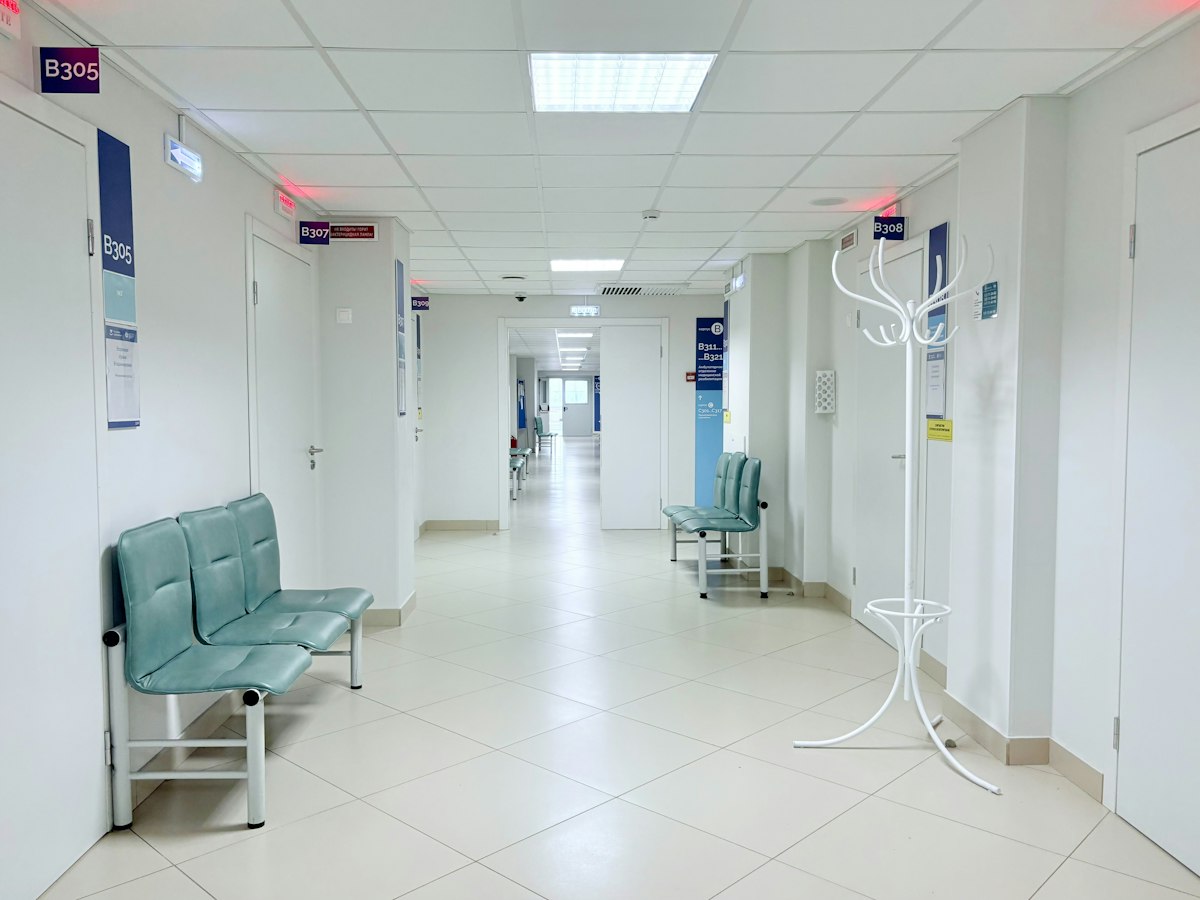
Best Vinyl Flooring for Hospital Environments: Performance, Hygiene, and Cost Analysis
Hospital flooring endures challenges that would destroy standard commercial surfaces within weeks. Heavy hospital beds, portable X-ray machines, and continuous gurney traffic place intense point loads on floor finishes. At the same time, environmental services teams wash these surfaces daily with harsh chemical disinfectants, including quaternary ammonium compounds, bleach solutions, and sporicidal agents.
For facility directors, architects, and infection control teams, selecting the right floor covering directly impacts operational efficiency and patient safety. A poor choice leads to cracked seams, indented surfaces, moisture entrapment, and hospital-acquired infection vectors. Conversely, an appropriate material preserves acoustic comfort, ensures slips and falls remain rare, and stands up to decades of rolling wheel traffic.
Related posts
Rubber Mat Flooring Price: Complete Cost Breakdown and Buyer Handbook
Investing in protective flooring often comes down to balancing durability against upfront cost. Whether you are outfitting a...
Read more →
Engineered Wood Flooring Cost: Real-World Pricing, Labor, and Hidden Expenses
Planning a flooring renovation brings you face to face with dozens of choices, but few balance beauty and...
Read more →Modern Luxury Home Decor: Principles of Refined Interior Styling
Modern luxury home decor is no longer defined by gilded moldings, heavy brocades, or ostentatious brand logos displayed...
Read more →
Best Raised Floor Systems: Engineering, Load Ratings, and Selection Criteria
Selecting the right access floor system determines how effectively your facility manages power distribution, structured cabling, and thermal...
Read more →Vinyl flooring remains the dominant choice across medical campuses worldwide. However, the commercial market contains vastly different formulations, from modular luxury vinyl tiles to seamless homogeneous sheet goods. Each variant serves distinct spaces within a healthcare facility, ranging from high-traffic entrance lobbies down to sterile operating theaters.
This evaluation examines the best vinyl flooring options for hospitals, comparing material compositions, installation demands, life-cycle costs, and technical specifications so you can make an informed procurement decision.
Key takeaways
- Homogeneous sheet vinyl provides the highest level of infection control for sterile clinical zones like operating suites and intensive care units because it can be heat-welded and flash-coved.
- Heterogeneous vinyl combines layered acoustic comfort, realistic design options, and durable wear layers, making it ideal for patient recovery rooms and corridors.
- No-wax polyurethane surfaces drastically lower hospital operating budgets by eliminating regular stripping, buffing, and chemical re-coating cycles.
- Subfloor preparation and moisture testing represent up to half of long-term flooring performance; skipping relative humidity tests often leads to adhesive failure.
Homogeneous vs. Heterogeneous Sheet Vinyl: The Core Comparison
When specifying vinyl for clinical environments, sheet products outperform modular tiles due to seamless hygiene requirements. Understanding the mechanical differences between homogeneous and heterogeneous compositions helps determine their correct placement across a hospital campus.
Homogeneous Sheet Vinyl for High-Acuity Areas
Homogeneous vinyl consists of a single, uniform layer of polyvinyl chloride mixed with plasticizers, stabilizers, and pigments throughout its entire thickness. Because the color and material run continuously from top to bottom, surface scratches and heavy wear do not expose a different backing layer.
This material delivers unmatched resilience against indentation from stationary equipment and rolling gurneys. Most commercial formulations offer static load resistance exceeding 750 to 1,500 pounds per square inch (PSI). Furthermore, homogeneous sheets allow facility managers to dry-buff scratches out of the surface rather than applying topical sacrificial waxes. High-acuity spaces—including operating rooms, catheterization labs, trauma bays, and sterile processing departments—rely almost exclusively on homogeneous sheet vinyl.
Heterogeneous Sheet Vinyl for General Clinical and Public Zones
Heterogeneous vinyl features a layered construction: a high-density backing, a glass-fiber stabilizing core, a printed decorative layer, and a clear, high-performance wear layer treated with factory-applied polyurethane (PUR). This multi-layer architecture creates distinct advantages in patient care areas.
The fiberglass interlayer delivers dimensional stability, while acoustic backing options dampen sound transmission—an essential feature for quiet-healing initiatives in patient recovery wings. Heterogeneous products also offer warmer, non-institutional aesthetics such as wood, stone, and abstract patterns. While highly durable, once the clear wear layer wears through, the pattern layer becomes compromised. Consequently, heterogeneous vinyl works best in patient rooms, physical therapy suites, and nursing stations where acoustic dampening and visual comfort take priority over extreme point loading.
Where Luxury Vinyl Tile Fits into Healthcare Facilities
Luxury Vinyl Tile (LVT) and Luxury Vinyl Plank (LVP) have transformed commercial interiors, but their use inside hospitals requires careful boundary setting. Can you install LVT in a hospital? Yes, but only in targeted zones.
LVT excels in main lobbies, gift shops, administrative offices, conference rooms, and outpatient waiting areas. It offers rapid installation, realistic textures, and modular replacement; if a single plank gets gouged by movers, maintenance crews can replace that specific tile in thirty minutes without closing the entire floor.
However, LVT should rarely appear in clinical environments or sterile surgical zones. Even tightly installed bevel-free LVT produces hundreds of linear feet of seams per room. These seams trap bodily fluids, aggressive cleaners, and moisture, creating breeding grounds for bacteria. In wet areas or emergency departments, heavy rolling carts can also catch the edges of tiles, causing micro-lifting over time.
Essential Technical Criteria for Hospital Vinyl Flooring
Choosing the best product requires evaluating rigorous laboratory ratings rather than relying solely on aesthetic catalogs. Specifiers should demand third-party test data across four key performance metrics.
Infection Control and Seam Integrity
Infection control represents the absolute baseline in hospital design. To prevent biological fluids from penetrating below the floor, the vinyl must form an impervious continuous surface. This requires two specific installation techniques:
- Heat Welding: Installers groove the joints between sheets and melt a matching PVC welding rod into the seam using specialized hot-air tools. Once trimmed flush, the seam creates a watertight, high-strength bond that resists chemical penetration.
- Flash Coving: Instead of applying a rubber baseboard at the wall junction, the sheet vinyl continues up the wall four to six inches over a cove fillet strip. This eliminates the 90-degree floor-to-wall corner, enabling environmental services teams to mop out debris without grime gathering at the baseboard.
Chemical and Stain Resistance
Healthcare facilities employ aggressive cleaning chemistries. Hospital vinyl must withstand continuous exposure to sodium hypochlorite (bleach), hydrogen peroxide vapors, betadine, iodine, and methylene blue without staining or softening. Products with cross-linked UV-cured polyurethane treatments (such as Tarkett iQ or Gerflor Evercare) provide chemical resistance that prevents stains from penetrating the underlying PVC compound.
Rolling Load Indentation Resistance
A bariatric bed or mobile C-arm imaging system concentrates immense weight onto four small caster wheels. Under ASTM F970 testing, specifiers should check residual indentation ratings. Standard commercial vinyl handles 250 PSI, but high-tier hospital-grade sheet vinyl withstands 750 to 2,000+ PSI without sustaining permanent dimples that make wheeling subsequent equipment difficult.
Slip Resistance and Worker Ergonomics
Hospital staff spend long shifts on their feet, walking thousands of steps per day. At the same time, spilled liquids, medications, and bodily fluids introduce slip risks. Look for vinyl tested under ASTM D2047 (dry static coefficient of friction ≥ 0.6) or DIN 51130 (R9 or R10 slip resistance ratings). The floor must balance slip prevention with cleanability; aggressive surface textures that trap dirt counteract hygiene protocols.
Leading Commercial Brands for Hospital Vinyl
Several global commercial flooring manufacturers have developed specialized product lines tailored specifically to acute healthcare demands.
Tarkett (iQ Series)
Tarkett’s iQ Optima and iQ Granit homogeneous collections remain industry benchmarks. Manufactured with high-grade virgin raw materials, these lines feature Tarkett’s proprietary surface restoration technology. Instead of using stripping chemicals and floor finish, cleaning crews dry-buff the surface with a red nylon pad to restore its original luster, cutting maintenance labor by up to 30 percent over the material lifecycle.
Gerflor (Mipolam Series)
Gerflor Mipolam is renowned for its Evercare surface treatment, an anti-stain barrier applied via UV laser cross-linking. Mipolam exhibits exceptional resistance to chemical stains like Betadine, which wipe off without leaving yellowish marks. It provides robust hygiene performance for operating rooms, laboratories, and intensive care units.
Armstrong Flooring / Polyflor
Polyflor (Palettone, Pearlazzo) and Armstrong offer strong, reliable options for regional healthcare facilities balancing tight capital expenditure budgets with rigid performance criteria. These brands provide high indentation resistance, broad color palettes for wayfinding applications, and verified low VOC emissions.
Life-Cycle Cost and Maintenance Realities
Procurement teams frequently evaluate flooring strictly by upfront purchase price per square foot. In hospitals, this perspective creates severe budget issues down the line. Installation and material represent merely 10 to 15 percent of a floor's total 20-year cost of ownership; routine maintenance constitutes the remaining 85 to 90 percent.
Traditional VCT (Vinyl Composition Tile) carries an attractive initial price of $3 to $5 per square foot installed. However, VCT requires periodic stripping, sealing, and waxing. Closing down hospital corridors to strip wax releases noxious odors, disrupts patient care, and costs thousands of dollars in chemical supplies and labor hours annually.
By contrast, high-performance homogeneous sheet vinyl costs $8 to $14 per square foot installed. Because it requires only neutral cleaning and dry buffing—completely eliminating stripping chemicals and floor finish—facility managers recover the initial price premium within three to five years. Over a 20-year lifespan, modern no-wax sheet vinyl yields substantial operational savings.
Installation Considerations That Prevent Premature Failure
Even the highest-grade vinyl sheet fails if installers mishandle subfloor preparation. Hospitals routinely experience failures traceable to subfloor moisture. Before laying sheet vinyl:
- Perform ASTM F2170 Relative Humidity Testing: Concrete slabs must test within the adhesive manufacturer’s limits (commonly below 85% to 90% RH). In fast-track hospital construction where concrete does not cure fully, apply an epoxy moisture mitigation barrier to prevent adhesive emulsification.
- Subfloor Leveling: High point loads transmit directly through flexible vinyl. Any imperfection, trowel ridge, or crack in the subfloor telegraphs through the sheet surface, accelerating wear. Use high-compressive-strength self-leveling underlayments rated at 3,500+ PSI.
- Skilled Heat Welding: Installers must groove seams to an exact depth (typically two-thirds of the material thickness) and maintain consistent temperature and speed with the hot-air welder. Scorched joints break down prematurely under daily chemical washings.
Frequently asked questions
Can you use LVT in hospital operating rooms?
No. Operating rooms require seamless, heat-welded homogeneous sheet vinyl or poured resinous flooring. The numerous seams in luxury vinyl tile installations harbor fluids, pathogens, and moisture, making reliable infection control impossible. In addition, the point loads from heavy surgical tables and mobile medical equipment can damage individual tile edges.
What is the difference between homogeneous and heterogeneous vinyl in medical settings?
Homogeneous vinyl is uniform throughout its entire depth, meaning scratches and wear patterns can be buffed out without compromising the floor. Heterogeneous vinyl contains distinct layers, including a decorative visual layer and a clear wear layer, providing enhanced acoustic dampening and broader aesthetic options for patient wings and hallways.
How long does commercial hospital vinyl flooring typically last?
When properly installed and maintained using no-wax protocols, commercial-grade homogeneous sheet vinyl routinely lasts between 20 and 25 years under continuous 24/7 foot and rolling wheel traffic. Heterogeneous sheet vinyl generally lasts 15 to 20 years depending on the wear layer thickness and localized traffic patterns.
Why is flash coving required for clinical hospital floors?
Flash coving bends the sheet vinyl upward where the floor meets the wall, usually by 4 to 6 inches, supported by a curved cove backing. This eliminates the square corner joint where moisture, dirt, and bacteria collect. It enables floor cleaning equipment to sanitize the wall perimeter quickly and thoroughly.
How does no-wax vinyl flooring reduce hospital operating costs?
Traditional vinyl finishes require regular stripping, waxing, and polishing using toxic chemicals that require room closures. No-wax vinyl features factory-cured polyurethane coatings that require only routine damp mopping and periodic dry-buffing. This saves substantial labor, reduces water and chemical consumption, and keeps clinical spaces open for patient care.
Conclusion
Specifying the best vinyl flooring for a hospital requires balancing acute clinical needs against long-term maintenance realities. For sterile, high-acuity environments like operating suites, emergency rooms, and intensive care units, homogeneous sheet vinyl with heat-welded seams and flash coving stands as the undisputed industry standard. For corridors and patient rooms where acoustics and healing atmospheres take precedence, layered heterogeneous vinyl delivers the best balance of comfort and durability.
Prioritize verified static load ratings, chemical stain barriers, and certified installation teams over lower upfront material costs. By taking a comprehensive life-cycle approach, facility teams ensure their investment protects patient hygiene, simplifies daily maintenance, and endures decades of rigorous hospital traffic.