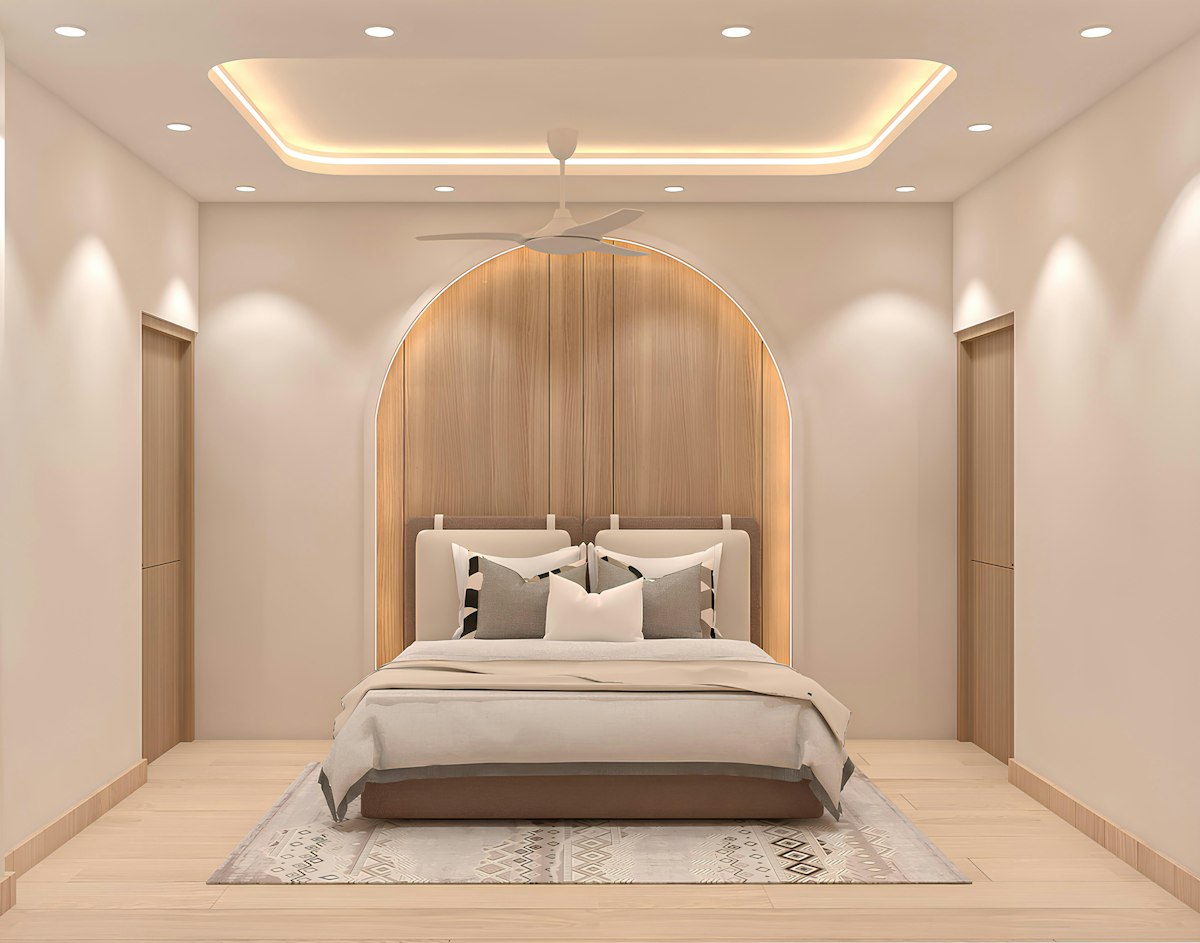
Modern PVC Ceiling Design Ideas for Your Bedroom: Style and Durability
Are you tired of looking up at a plain, cracked, or peeling plaster ceiling every night? For many homeowners, the bedroom is a sanctuary, yet the "fifth wall" is often the most neglected part of the room. A standard white ceiling does little to enhance the mood or reflect your personal style, especially when modern alternatives offer so much more in terms of both aesthetics and performance.
PVC (Polyvinyl Chloride) ceiling panels have emerged as a frontrunner in interior design, particularly for bedrooms where comfort meets functionality. Unlike traditional gypsum or POP (Plaster of Paris), PVC offers a unique blend of water resistance, longevity, and an almost infinite array of textures and finishes. It is no longer just for utility rooms; it has moved into the master suite with a level of sophistication that rivals expensive wood or stone installations.
Related posts
Optimizing Large Scale Airflow with High Performance Commercial Ceiling Fans
Managing the internal climate of a large facility often feels like a losing battle against physics. Whether you...
Read more →
Modern Interior Design: Why Stretch Ceilings Are Replacing Traditional Drywall
When you look up at your ceiling, what do you see? For most homeowners and office managers, the...
Read more →
Hiring Professional Ceiling Contractors: A Comprehensive Resource for Your Next Project
Most property owners ignore the space above their heads until something goes wrong. Whether it is a water...
Read more →
Modern PVC Panel Ceiling Design for Hall: Aesthetic Ideas, Costs, and Installation
Stepping into your main hall should feel welcoming, organized, and visually engaging. As the central gathering point of...
Read more →In this exploration of PVC ceiling design for bedroom applications, we will look at how these panels can transform your space from a basic sleeping area into a high-end retreat. We will cover the most popular design configurations, the practical benefits of choosing synthetic panels over traditional plaster, and the cost factors you need to weigh before starting your renovation. From integrated lighting to hidden structural advantages, we will break down everything you need to know.
Whether you are aiming for a minimalist modern look or a warm, rustic atmosphere, understanding the possibilities of PVC is the first step. From integrated lighting solutions to wood-grain textures that mimic real timber, the versatility of this material is unmatched. Let's look at why this might be the smartest investment for your bedroom's aesthetic and your long-term maintenance budget.
Key takeaways
- Durability and Low Maintenance: PVC panels are resistant to moisture, termites, and fading, requiring only a simple wipe-down to stay clean.
- Design Versatility: Available in wood, marble, and metallic finishes, these panels can match any bedroom decor from classic to contemporary.
- Quick Installation: The tongue-and-groove system allows for a much faster and cleaner installation process compared to traditional wet plaster work.
- Cost-Effective Luxury: Achieve the look of high-end materials like mahogany or polished stone at a fraction of the material and labor cost.
Why PVC is the Smart Choice for Bedroom Ceilings
When selecting a material for your bedroom ceiling, you are looking for more than just a pretty surface. You want something that provides insulation, resists the humidity that can lead to mold, and stays looking fresh for decades. PVC panels are engineered to meet these demands. Because they are made from a high-quality plastic polymer, they do not absorb moisture. This is a significant advantage in climates with high humidity or in homes where the bedroom shares a wall with a bathroom.
The lightweight nature of PVC also means less stress on your home's structural framing. Traditional POP ceilings can be heavy and prone to cracking as a house settles. PVC, however, remains flexible enough to withstand minor shifts without showing a single seam or crack. Furthermore, the hollow-core structure of many PVC panels provides a layer of air that acts as a natural thermal insulator, helping to keep your bedroom cooler in the summer and warmer in the winter.
The Aesthetic Advantage
Gone are the days when PVC looked like cheap plastic. Modern manufacturing techniques allow for high-definition printing and texturing. You can now find panels that perfectly replicate the grain of oak, the veining of Italian marble, or the sleekness of brushed aluminum. This allows you to create a high-impact feature wall that continues onto the ceiling, creating a "canopy" effect that feels incredibly cozy and designer-led.
Popular PVC Ceiling Design Styles for the Master Suite
Choosing the right layout for your panels is just as important as the color. The way you orient the panels and the structural design you choose can change the perceived size of your room. Let's look at some of the most effective design strategies used by interior professionals today.
The Tray Ceiling Effect
A tray ceiling is one of the most popular choices for a bedroom. It involves a recessed central area that is higher than the perimeter of the room. By using PVC panels in the recessed section, you can add a contrasting color or a wood-grain finish that draws the eye upward. This creates a sense of depth and makes the room feel taller. Many homeowners choose to install LED strip lighting along the edge of the "tray" to create a soft, ambient glow that is perfect for winding down at night.
Wood-Finish Plank Designs
If you love the warmth of a rustic cabin or a mid-century modern home, wood-finish PVC planks are the way to go. These panels are installed in long, linear strips. When laid out across the width of a narrow room, they can make the space feel wider. The realistic textures available today mean you get the visual warmth of timber without the risk of warping, splintering, or the need for periodic staining and sealing.
Geometric and Coffered Patterns
For a more formal and structured look, a coffered PVC ceiling uses a grid of beams to create a series of recessed squares or rectangles. This adds a sense of architectural weight and luxury to the bedroom. Because PVC is easy to cut and join, creating these complex grids is far simpler than doing so with traditional wood molding. You can mix and match panel colors—perhaps a dark charcoal for the beams and a light cream for the recessed panels—to create a striking high-contrast look.
Integrating Lighting with PVC Panels
One of the greatest functional benefits of a PVC ceiling is how easily it accommodates modern lighting. Because there is a gap between the original ceiling and the PVC panels, you have ample space to hide wiring and housing for various fixtures. This allows for a clean, wire-free look that is difficult to achieve with solid plaster ceilings.
Recessed Spotlights: These are the bread and butter of modern bedroom design. You can place them strategically over wardrobes, vanity areas, or as general ambient lighting. Cutting holes in PVC is precise and clean, ensuring the fixtures sit flush against the surface.
Cove Lighting: By leaving a small gap between the ceiling panels and the wall, or between different levels of a tray ceiling, you can install flexible LED strips. This creates a "floating ceiling" effect. In a bedroom, being able to turn off the bright overhead lights and rely on soft cove lighting can significantly improve your sleep hygiene by reducing harsh glare before bed.
Backlit Translucent Panels: Some specialized PVC panels are designed to be semi-translucent. When paired with LED panels behind them, the entire ceiling can emit a soft, diffused light. This is an avant-garde choice that works beautifully in ultra-modern, minimalist bedrooms.
Practical Considerations: Installation and Cost
Before you commit to a PVC ceiling design for your bedroom, it is helpful to understand the logistics. One of the reasons contractors love PVC is the speed of installation. A standard bedroom ceiling can often be completed in a single day, whereas a POP ceiling might take three to five days when you account for drying times and multiple coats of paint.
The Installation Process
The process typically begins with a metal or wooden framework (a grid) being fixed to the existing ceiling. This grid is leveled perfectly to ensure the final surface is flat. The PVC panels are then fixed to this grid using screws or staples that are hidden by the next panel's interlocking edge. This "tongue-and-groove" system ensures that the joints are tight and virtually invisible. Finally, decorative trim or crown molding is added to the edges to give it a finished, professional look.
Cost Breakdown
While prices vary based on your location and the quality of the panels, PVC is generally considered a mid-range to budget-friendly option. The material cost is often comparable to high-quality gypsum, but the real savings come in the form of labor. Because it is a "dry" installation, there is no mess, no sanding dust, and no need for professional painters once the panels are up. Additionally, the long-term cost is lower because you will never need to repaint the ceiling or worry about water damage from a leaky roof or upper-floor plumbing.
Maintenance and Longevity
How do you keep your bedroom ceiling looking new? The maintenance for PVC is incredibly low. Unlike painted surfaces that can flake or yellow over time, PVC maintains its color and finish. For a bedroom, where dust is usually the only concern, a quick dusting with a microfiber cloth once every few months is usually sufficient. If there are any marks, a damp cloth with a mild detergent will remove them without damaging the surface.
In terms of longevity, a well-installed PVC ceiling can easily last 15 to 20 years. It is resistant to the common enemies of bedroom interiors: humidity from humidifiers, the heat from light fixtures, and the general wear and tear of a lived-in home. This makes it an excellent choice for rental properties or for homeowners who want a "set it and forget it" solution for their interior design.
FAQ
Are PVC ceilings safe for use in bedrooms?
Yes, PVC ceiling panels are entirely safe for bedroom environments. Most modern panels are manufactured with fire-retardant properties, meaning they will not easily ignite and are self-extinguishing if the heat source is removed. Additionally, high-quality panels are lead-free and do not emit harmful Volatile Organic Compounds (VOCs) once installed, ensuring your indoor air quality remains healthy while you sleep.
Can I install a ceiling fan on a PVC ceiling?
You can certainly have a ceiling fan in a room with a PVC ceiling, but it must be installed correctly. The fan should never be supported by the PVC panels themselves, as they are not designed to hold that much weight or handle the vibration. Instead, the fan's mounting bracket must be fixed directly to the original structural ceiling or a sturdy wooden joist, with the fan rod extending through a hole cut in the PVC panel.
Does a PVC ceiling help with soundproofing?
While PVC panels are not a professional soundproofing solution, they do provide a minor reduction in noise. The hollow-core design and the air gap between the panels and the original ceiling act as a slight buffer for sound. If noise from an upper floor is a major concern, you can easily add acoustic insulation material into the gap before the PVC panels are installed to significantly improve the room's quietness.
Will the color of the PVC panels fade over time?
High-quality PVC panels are UV-stabilized, which means they are designed to resist fading even if your bedroom gets a lot of direct sunlight. While any material can show slight changes over decades of exposure, PVC holds its pigment and finish much better than traditional latex paint, which can yellow or chalk when exposed to sunlight and air over time.
Is PVC cheaper than a POP (Plaster of Paris) ceiling?
In most markets, the total cost of a PVC ceiling—including materials and labor—is lower than a high-quality POP ceiling. While the raw material for plaster might be cheaper, the labor-intensive process of applying, drying, sanding, and painting the plaster adds up quickly. PVC's "plug and play" nature reduces labor hours significantly, making the overall project more affordable and much faster to complete.
Conclusion
Choosing a PVC ceiling design for your bedroom is an effective way to combine modern style with practical durability. By moving away from traditional plaster, you open up a world of textures, integrated lighting possibilities, and long-term maintenance savings. Whether you prefer the sleek look of a backlit tray ceiling or the cozy charm of wood-grain planks, PVC provides a versatile canvas to express your style. As you plan your next bedroom renovation, consider the "fifth wall" as a primary design element that can define the entire atmosphere of your most personal space.