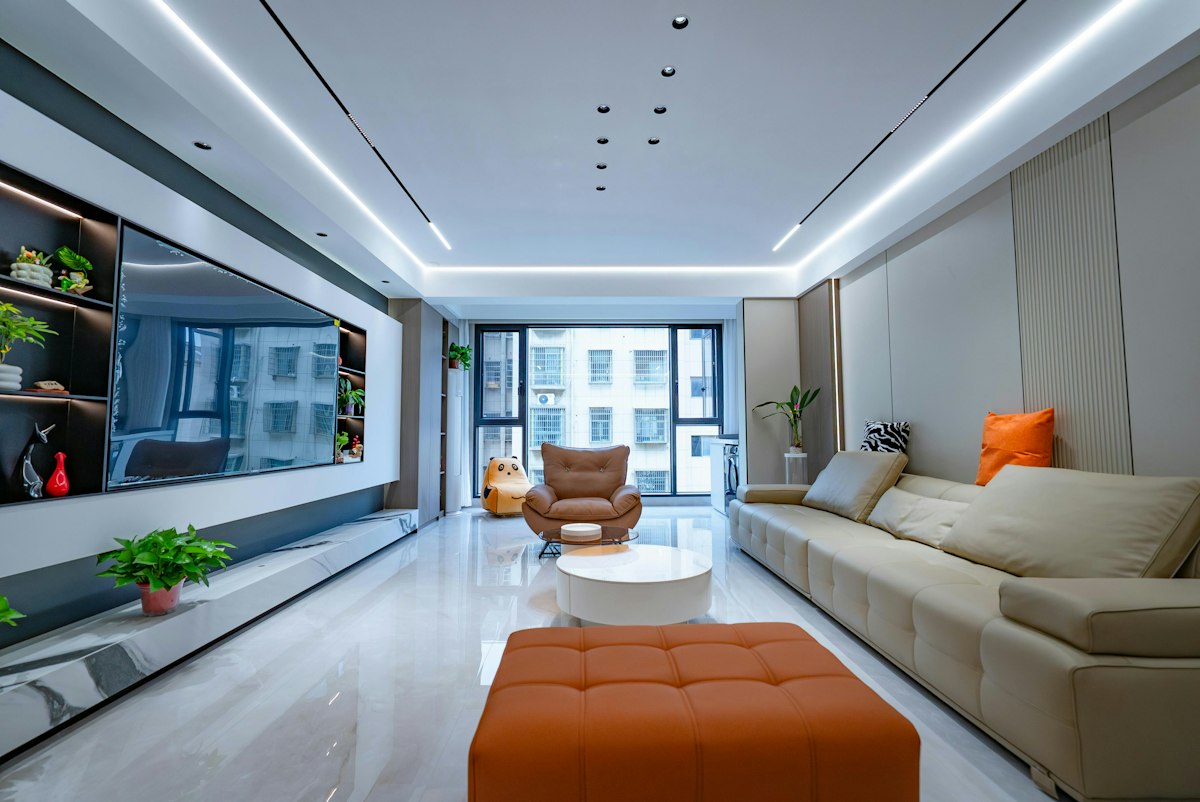
Modern PVC Ceiling Design for Living Room Spaces: Styles, Benefits, and Practical Choices
The ceiling often gets overlooked during living room renovations, usually relegated to a simple coat of flat white paint. Yet, treating your ceiling as an active architectural element completely transforms how spacious, balanced, and intentional a room feels. Polyvinyl chloride false ceilings have quickly evolved from an industrial utility into a favorite choice for stylish, high-performing home interiors.
Homeowners frequently struggle with traditional ceiling treatments like plaster of Paris or standard drywall due to moisture issues, messy repairs, and prolonged installation schedules. Panels made from high-grade polymers resolve these frustrations by combining resilience with realistic finishes that emulate timber, matte stone, or seamless lacquered architectural boards.
Related posts
Mastering Japandi Ceiling Light Selection for a Balanced Home
Finding the right lighting often feels like a balancing act between cold, clinical modernism and overly decorative traditional...
Read more →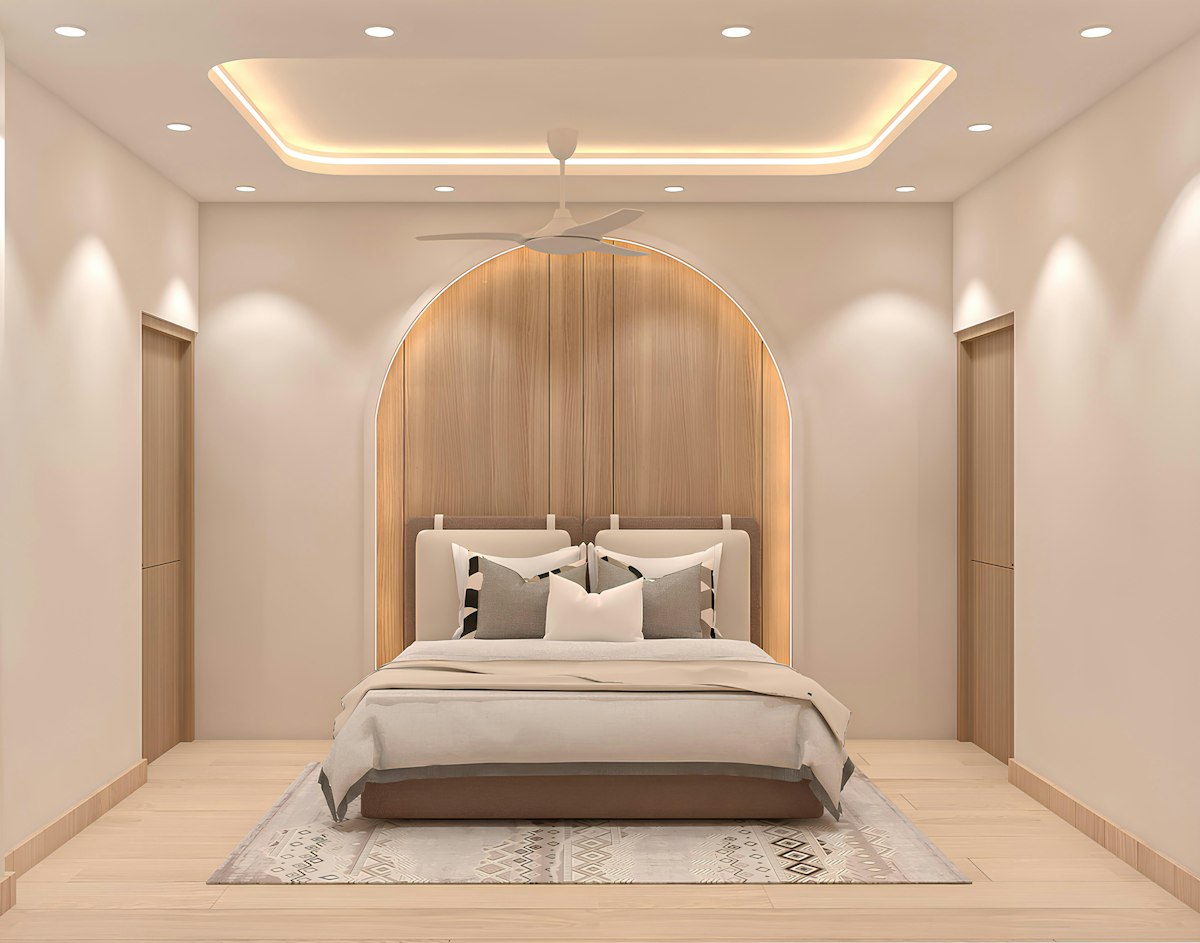
Modern PVC Ceiling Design Ideas for Your Bedroom: Style and Durability
Are you tired of looking up at a plain, cracked, or peeling plaster ceiling every night? For many...
Read more →Optimizing Large Scale Airflow with High Performance Commercial Ceiling Fans
Managing the internal climate of a large facility often feels like a losing battle against physics. Whether you...
Read more →
Modern Interior Design: Why Stretch Ceilings Are Replacing Traditional Drywall
When you look up at your ceiling, what do you see? For most homeowners and office managers, the...
Read more →Whether your preference leans toward a subtle recessed tray with soft perimeter lighting or the cozy warmth of dark walnut-style planks, these systems offer tremendous flexibility. They resist humidity, simplify wiring concealment, and demand almost no maintenance once properly suspended.
This breakdown explores practical design concepts, layout options, realistic cost factors, and structural tips to help you select the ideal overhead finish for your central gathering space.
Key takeaways
- Polymer panels provide complete moisture and termite resistance, preventing the cracking and peeling common with plaster.
- Layered tray profiles, faux-timber slats, and floating geometric islands add visual dimension without overloading the ceiling frame.
- Installation is dry, fast, and relatively tidy, often wrapping up in a fraction of the time required for traditional drywall work.
- Pairing quality panels with LED fixtures prevents heat buildup and protects the structural integrity of the ceiling over time.
Why Choose PVC Over Traditional False Ceilings?
When selecting a false ceiling material for a living room, most homeowners compare polymer panels against plaster of Paris, gypsum board, and natural hardwood. Each material has its place, but polymer panels stand out across several day-to-day living conditions.
Traditional gypsum performs admirably in dry, climate-controlled environments, but any roof leak, hidden plumbing condensation, or high ambient humidity can cause yellow stains, sagging, and mold growth. Polymer boards are completely waterproof. They create an impenetrable barrier that neither absorbs moisture nor supports fungal spores, making them exceptionally reliable in humid regions or multi-story apartments.
Weight is another significant factor. Plaster systems add substantial dead weight to overhead framing, requiring heavy-gauge steel supports and anchors. Lightweight tongue-and-groove boards reduce the mechanical stress on your home's structural slabs while remaining easy for installers to handle and adjust.
Maintenance requirements also favor synthetic panels. Plaster and drywall demand periodic repainting every few years to look fresh. Polymer surfaces are non-porous and factory-finished. You never have to sand, prime, or repaint them; an occasional wipe with a microfiber cloth and warm water restores their original appearance.
Popular PVC Ceiling Design Styles for the Living Room
Modern false ceilings do not look like cheap plastic strips. Advanced embossing, realistic grain printing, and seamless interlocking profiles allow you to achieve sophisticated interior themes across various budgets.
1. Minimalist Recessed Tray Ceilings
The recessed tray design remains a favorite for living rooms because it creates an immediate illusion of vertical volume. In this layout, the perimeter of the ceiling drops slightly lower than the central field. The recessed central section can be finished in clean matte white or soft cream, while the step accommodates hidden cove lighting.
When the warm LED strip inside the cove is switched on, it washes light upward across the central plane. This eliminates harsh glare, softens room shadows, and makes a standard eight-foot ceiling feel noticeably taller and more open.
2. Realistic Wood-Grain Rafters and Planks
Natural timber ceilings look magnificent, but they are expensive, heavy, and prone to warping or termite infestation. High-definition faux-wood planks capture the texture, color depth, and grain patterns of teak, oak, or walnut without the maintenance headaches.
You can run wood-toned planks across the entire ceiling for a modern rustic aesthetic, or use them as an accent zone directly above your sofa arrangement or entertainment console. Running the planks parallel to the longest wall visually stretches the room, helping narrow living spaces feel significantly wider.
3. Suspended Floating Islands
A floating island design features an independent ceiling section that hangs slightly below the main ceiling surface, leaving open margins around all edges. This layout works exceptionally well in open-concept living rooms where you want to define specific zones without building dividing walls.
Suspending a floating geometric island over your main seating cluster creates an intimate conversational zone. Installing accent downlights through the panel and backlighting the outer edges gives the illusion that the entire structure is hovering weightlessly.
4. Coffered and Geometric Grid Layouts
For formal living spaces, coffered designs bring classic architectural rhythm. By arranging hollow polymer beams into square, rectangular, or octagonal grids, you introduce deep shadow lines and structured elegance.
To keep the design modern rather than historic, combine contrasting tones. For instance, pairing charcoal or slate-gray framework beams with crisp white recessed interior panels delivers a striking contemporary look that complements modern furniture and abstract wall art.
Integrating Lighting into Your Overhead Design
The aesthetic success of your ceiling depends heavily on how you integrate illumination. Because panels are easy to cut and hollow behind the frame, running concealed cables and cutting exact apertures is remarkably straightforward.
Cove Lighting for Ambient Moods
Cove lighting relies on indirect illumination hidden within the edges of dropped profiles or perimeter trays. Always opt for quality LED strip lights with a high color rendering index (CRI). Warm white strips (between 2700K and 3000K) create an inviting, restful evening ambiance, while dual-channel tunable strips let you switch to neutral white for reading or hosting guests.
Recessed Spotlights for Task and Accent Light
Recessed downlights provide targeted illumination across specific areas. Plan your lighting layout around your furniture rather than placing fixtures in an arbitrary symmetrical grid. Position downlights over coffee tables, reading chairs, and artwork displays to create visual interest throughout the space.
Suspending Heavy Fixtures Safely
While lightweight spotlights clip directly into the polymer panels, heavy ceiling fans, statement pendants, and chandeliers must never bear weight on the panels themselves. Always ensure your electrician anchors heavy fixtures directly to the concrete slab or primary structural framing using extended threaded rods before the panels are fitted around them.
Cost Factors and Material Considerations
Budgeting for a new ceiling involves balancing panel quality, framing materials, and labor complexity. Understanding the core variables helps you avoid overpaying while ensuring structural safety.
Panel Thickness and Core Density
Panel thickness typically ranges from 6 millimeters to 12 millimeters. Thinner 6mm panels are economical but can appear slightly translucent under bright interior lighting and are prone to flexing. For a living room, choose heavy-duty panels between 8mm and 10mm with reinforced internal ribbing. These offer superior rigidity, better sound dampening, and a flat, seamless finish.
Framing Systems
The framework that suspends your ceiling is just as important as the visible panels. Avoid cheap untreated timber battens, which can warp or rot over time. Instead, insist on galvanized iron (GI) channels or lightweight aluminum perimeter tracks. Metal framing remains straight, resists rust, and ensures your ceiling remains level for decades.
Comparative Cost Expectations
On average, polymer ceiling installations cost significantly less than multi-layered plasterboard with three coats of premium paint. The material cost itself is competitive, but the primary savings come from labor efficiency. A standard living room ceiling can often be framed, wired, and paneled within one to two days, slashing labor charges compared to plaster projects that drag on for a week or more.
Evaluating the Pros and Cons
To make an informed decision, evaluate the practical strengths and trade-offs of this material before starting your remodel.
Advantages
- Water and Stain Resistance: Completely impervious to moisture, preventing stains from roof leaks or damp masonry.
- Rapid Installation: Interlocking tongue-and-groove edges click together quickly with minimal dust, noise, or mess.
- Termite and Pest Proof: Polymer materials offer no organic food source for boring insects or termites.
- Concealed Services: Readily hides messy television cables, speaker wires, air conditioning lines, and ductwork.
- Easy Cleaning: Requires nothing more than an occasional wipe-down with mild soapy water.
Disadvantages
- Heat Sensitivity: High heat can warp or soften polymer boards. Keep them away from intense heat sources and exclusively use low-heat LED fixtures.
- Plastic Sheen on Low-End Products: Cheap, thin panels can look artificial. Selecting matte, textured, or realistic wood-embossed finishes avoids this issue.
- Visible Seam Lines: Poor installation or low-tolerance boards may leave noticeable seams along panel joints. Professional fitting is essential for a refined look.
Maintenance and Longevity Tips
Maintaining a polymer ceiling requires virtually no manual effort compared to painted surfaces, but following a few basic guidelines protects your investment over the long term.
Dust the surface twice a year using a soft dusting wand or an electrostatic microfiber mop attached to an extension pole. If cooking fumes or street dust settle on the boards, mix a few drops of dishwashing liquid in warm water and wipe the surface gently. Never use harsh solvent-based cleaners, bleach, or abrasive scouring pads, as these can strip the printed decorative film or scratch the matte topcoat.
During electrical upgrades, always instruct technicians not to pull or twist the panels roughly. While the material is resilient, forcing boards past their locking tabs can snap the interlocking tongue and require panel replacement.
Frequently Asked Questions
How long does a PVC ceiling last in a living room?
A properly installed polymer ceiling built with quality galvanized framing and 8mm or thicker panels easily lasts 15 to 20 years. Because the material does not rot, absorb moisture, or support insect life, its structural integrity remains sound for decades without needing repainting.
Can PVC ceiling panels handle heavy chandeliers or ceiling fans?
The panels themselves cannot support heavy hanging loads. Any fixture weighing more than a standard lightweight recessed spotlight must be anchored directly into the structural concrete slab or primary steel ceiling framework using heavy-duty anchor bolts and drop rods.
Do PVC ceilings make a living room hotter?
The panels do not generate heat, but because they form a sealed layer below your structural slab, they trap an air pocket that acts as mild thermal insulation. To ensure your room stays comfortable in warm climates, you can place mineral wool or thermal insulation batts above the framework before securing the boards.
How do you hide seams between PVC panels?
High-quality tongue-and-groove panels fit together snugly to create a nearly seamless appearance. Alternatively, designs with intentional V-grooves celebrate the seam lines as architectural planks, similar to real shiplap or timber decking, making individual joints look intentional and stylish.
Are PVC ceiling panels safe to use around lighting fixtures?
Yes, provided you pair them with modern LED lights. LEDs emit very little directional heat, keeping the panel surface well within safe operating temperatures. Avoid using high-wattage halogen or incandescent bulbs directly flush against the panels, as persistent heat can cause localized discoloration or warping.
Conclusion
Upgrading your living room with a modern polymer false ceiling combines aesthetic appeal with unmatched everyday convenience. Whether you select a crisp perimeter tray to frame your seating area or introduce rich wood-grain textures across the entire room, the material delivers architectural depth without the dust, high labor costs, and moisture vulnerabilities of traditional plaster.
Take time to plan your lighting scheme, choose medium- to heavy-gauge boards with authentic matte or textured finishes, and rely on sturdy metal framing. With thoughtful planning, your overhead design will serve as a striking, durable focal point that elevates your home's interior character for years to come.